

Nobody taught me most of this.
Not properly, anyway.
My mother covered the basics when I was about twelve — how to use a pad, wash my face, keep myself clean in the obvious ways.
But the gap between that and actually understanding how to take care of my body in a comprehensive way was enormous, and I filled it in piecemeal over about ten years of trial and error, expensive mistakes, and eventually a lot of deliberate research.
The double shampoo thing I did not figure out until I was twenty-three.
The intimate care myths I believed until an actual gynecologist corrected me at twenty-five.
The connection between gut health and skin I had read about vaguely but not taken seriously until a period of bad eating produced the worst skin of my adult life in a way that was impossible to ignore.
This guide is what I wish someone had given me at nineteen. It is practical, it is specific, and it prioritizes what actually makes a difference over what sounds impressive.

I. Hair Care
The scalp is skin. It sweats, it accumulates pollution and product residue, it gets out of balance if you ignore it.
Most people clean their hair but do not actually clean their scalp, which is where most of the hygiene and odor issues live.
My actual routine, not the aspirational version:
Twice a week I oil my scalp — rosemary oil currently, sometimes almond.
I skip this when I am having a dandruff period because oil makes it worse, which took me a long time to figure out because the conventional wisdom in my house growing up was that oil was always the answer.
It is not always the answer.
Twice a week I also double shampoo — the first wash cuts through the oil and product buildup, the second actually cleans. One wash was never doing the job.
Twice a month I do a scalp detox. I use a diluted apple cider vinegar rinse (one part vinegar to three parts water) left on for a few minutes before rinsing.
This came from a period where my scalp was consistently itchy despite regular washing and the ACV genuinely fixed it within two weeks.
You can also use salicylic acid scalp treatments from the drugstore if the DIY version does not appeal.
Once a month I do a proper deep conditioning treatment.
My version: warm the oil slightly, apply generously, wrap my head in a hot towel for twenty minutes.
The heat helps the oil actually penetrate rather than just sitting on the surface.
One thing nobody told me: hair holds scent, and spraying perfume directly onto your scalp damages the hair and fades faster than you would expect.
Spray onto your brush instead and run it through your lengths. Lasts longer and does not cause breakage.
Also Read: 12-Step Gentle Self-Care Night Routine
II. Skin Care
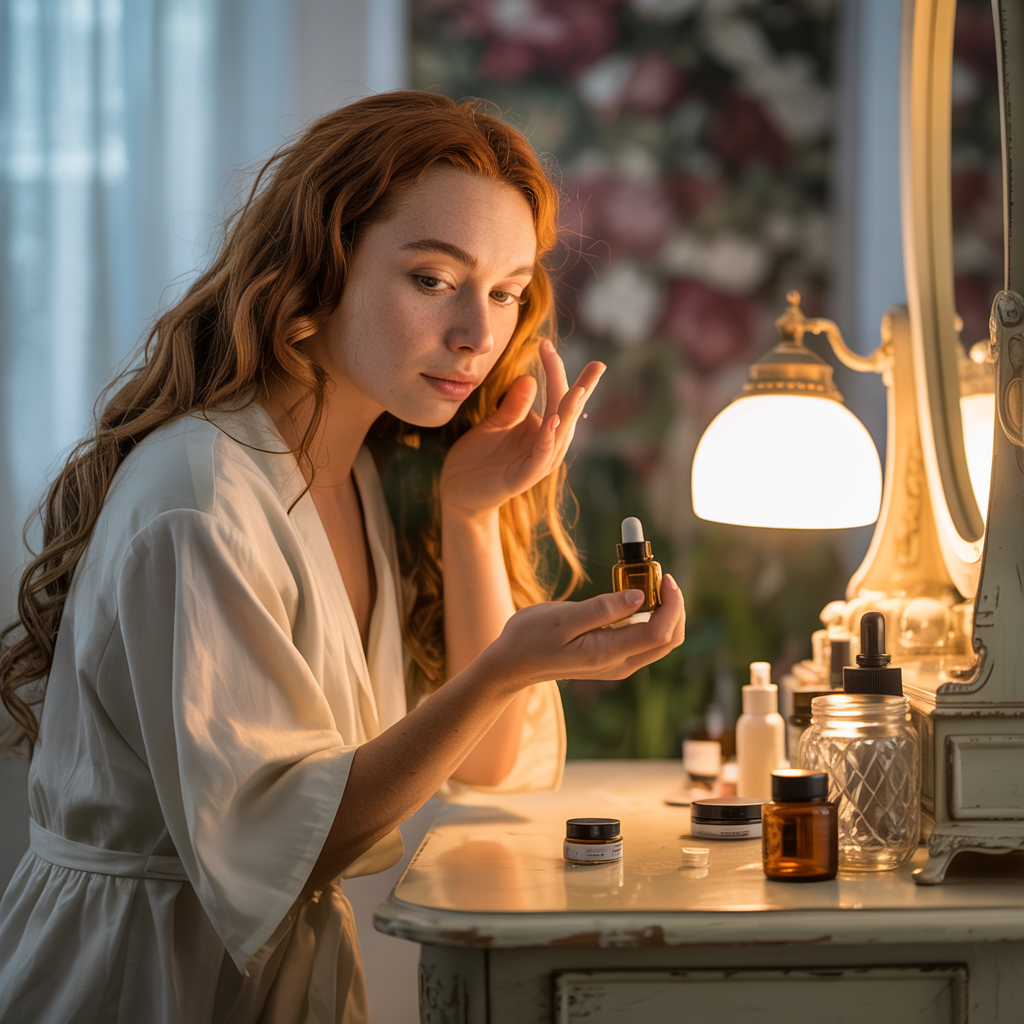
The hygiene habits that changed my skin were not products — they were practices.
Using a separate face towel and washing it every few days rather than sharing a bath towel that has been hanging for a week.
Washing my hands before touching my face to apply anything.
Storing skincare away from the toilet — I did not know that flushing aerosolizes bacteria until I read about it and it made immediate sense of some persistent breakouts I had been having in my late teens.
The double cleanse was the single most significant change I made to my skincare routine.
If you wear sunscreen — and you should — one wash does not fully remove it. Micellar water or cleansing balm first, then a gentle face wash.
My skin was noticeably clearer within three weeks of starting this and I assumed it was something else before I isolated the variable.
Exfoliation is a pH-balanced acid once or twice a week, not a physical scrub.
Physical scrubs were actively damaging my skin for years while I thought they were helping because they produced that squeaky-clean feeling that turns out to be a sign of barrier disruption.
Glycolic acid for normal skin, lactic acid if you are sensitive.

III. Intimate Care
I believed several things about intimate hygiene for years that turned out to be incorrect, and I am fairly sure I am not alone in this.
The vagina is self-cleaning. Douching disrupts the natural bacterial balance and increases the risk of infection rather than reducing it.
Scented washes, even the ones marketed specifically for intimate use, often do more harm than good. A mild, natural scent is not a problem to be fixed.
Discharge that varies across your cycle is normal and healthy — learning to distinguish what is normal for you from what is a potential infection is far more useful than trying to eliminate all scent and discharge.
What actually helps: warm water rinse daily, cotton underwear, drying thoroughly before dressing, wiping front to back.
If you want to use a wash, it should be unscented and pH-balanced and only on the external area, never internally.
For periods: change whatever you are using every four to six hours.
Never sleep in a tampon. Menstrual cups need to be rinsed and properly sterilized between uses — I use a dedicated container of boiling water at the start of each cycle.
For period underwear, rinse in cold water immediately (hot water sets stains), machine wash and air dry in sunlight when possible.
The combination I have used for heavy days for the past two years: menstrual cup plus period underwear as backup.
Zero leaks, significantly less waste, and I stopped dreading heavy days once I had a system that actually worked.
IV. Body Care
Body odor is not about being dirty. It is about bacteria thriving in warm, moist areas, and everyone has those areas regardless of how often they shower.
The places most routines miss: behind the ears, under the breasts, the belly button, between the toes, the lower back and buttocks.
I learned the belly button one the embarrassing way. It had genuinely never occurred to me that it needed deliberate cleaning. It does.
Daily shower minimum, twice if you work out or live somewhere hot. Antibacterial or pH-balanced wash for the sweat-prone areas specifically — regular body wash is fine everywhere else.
Change clothes daily including bras, which most people stretch to two or three wears longer than they should.
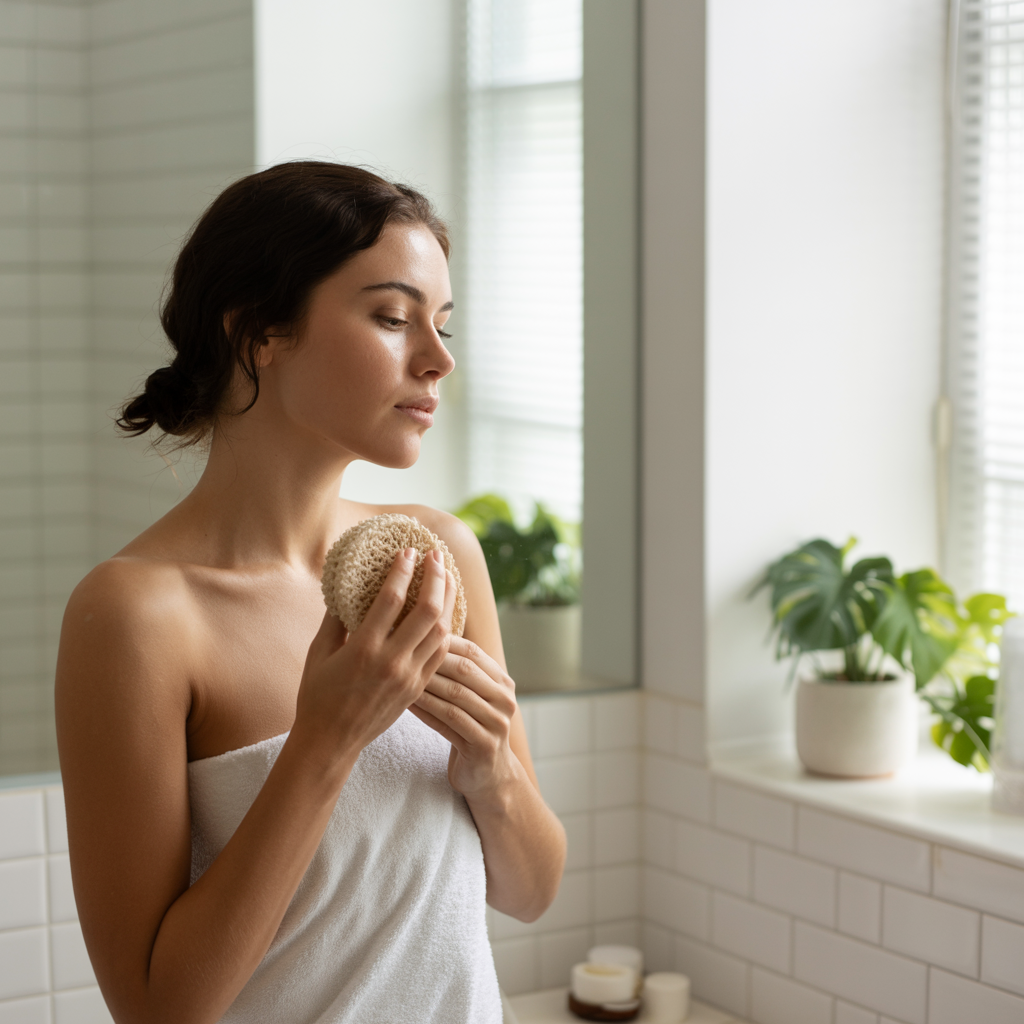
Exfoliation two to three times a week with exfoliating gloves or a gentle body scrub.
The areas that specifically need it: elbows and knees, inner thighs (ingrown hairs become much less of a problem with regular exfoliation), back and buttocks.
If you have sensitive skin, a lactic acid body wash used in the shower is a gentler alternative to physical exfoliation.
After workouts when I cannot shower immediately, I use antibacterial wipes for underarms and groin, change my underwear, and reapply deodorant.
Not ideal but significantly better than staying in damp workout clothes.
Also Read: 13 Self-Care Practices That Will Actually Make a Difference

V. Smelling Good
This took me longer than it should have to understand: smelling good consistently is a layered routine, not a single product.
The version that works: scented body wash, followed by lotion in the same fragrance family (floral with floral, warm with warm), followed by deodorant, followed by perfume applied to pulse points — wrists, neck, behind the ears, chest.
In that order. The lotion creates a base that makes the perfume last significantly longer than applying it to dry skin.
Do not rub your wrists together after applying perfume. This breaks down the top notes and changes how the scent develops. Apply and leave it.
The fragrances I actually use and recommend: Sacred Love by Ajmal for everyday — it is floral, affordable, long-lasting, and I have received more compliments on it than on anything three times the price.
Jasmine Kumono by Armani for evenings when I want something softer and more refined. Aqua di Parma when I want something clean and citrus rather than floral.
Jo Malone body mists for gym days or layering when I want something lighter.
The habit that improved everything: matching the body wash and lotion to the perfume family so the scents work together rather than competing. It sounds minor and genuinely makes a difference.
Also Read: Your Soft Girl Guide to Winter Self-Care Rituals

VI. Oral Care
Bad breath undoes everything else. It does not matter how well you smell or how good your skin looks — if your breath is off, that is what people remember.
The thing most people skip that makes the biggest difference: tongue scraping. Most odor-causing bacteria live on the tongue, not the teeth.
A tongue scraper used every morning before brushing costs almost nothing and removes the primary source of morning breath more effectively than mouthwash.
My actual routine: tongue scrape first thing, brush for two minutes twice a day, floss every night (I moved the floss to my nightstand because when it was in the bathroom I consistently forgot it), mouthwash occasionally rather than daily because daily mouthwash disrupts the oral microbiome in ways that can cause their own problems.
Replace your toothbrush more often than you think you need to. I now set a monthly reminder.
The bristles degrade faster than is visible to the eye and a worn brush does not clean as effectively as a new one.
Dentist every six months for a professional clean regardless of how your teeth look — the buildup that causes problems is often invisible.

VII. Internal Care
This is the section that took me longest to take seriously, and the one that produced the most significant results when I did.
The connection between gut health and skin became impossible to ignore for me after a period in my mid-twenties when I was eating badly — a lot of takeout, not enough vegetables, too much caffeine — and my skin deteriorated in a way that no skincare product could fix.
I cleaned up my diet out of frustration more than conviction and my skin improved within six weeks. The correlation was clear enough that I have not gone back.

Water. I know everyone says this and it sounds boring and it is genuinely the single most impactful change I have made to how I feel daily.
Two to three liters, earlier in the day rather than all at once in the evening.
Infuse it if plain water is not appealing — lemon and mint, or cucumber, or whatever makes it something you want to drink rather than something you remember to drink.

Probiotics are the practical version of gut health for most people who are not going to overhaul their entire diet: yogurt, kefir, kimchi if you can tolerate the flavor, a good quality supplement if not.
Prebiotics are what feed the probiotics — oats, bananas, onions, garlic. Both are necessary.

Whether it’s PMS, acne, mood swings, or irregular periods — your hormones are trying to tell you something.
Get in the habit of eating balanced meals (carbs + fat + protein + fiber) and try including foods that are rich in magnesium, B vitamins, and omega-3s, which help with hormone balance.
Think: leafy greens, seeds, fatty fish, and whole grains.
Also — don’t overdo caffeine and sugar.
They’re not evil, but excess intake can spike cortisol and affect your energy, skin, and cycle.

Cycle tracking changed how I plan my weeks more than I expected. I use Clue. I now know which phase of my cycle produces my best focus, which produces the most social energy, which requires more rest and less demanding work.
This is information that was available to me the whole time that I simply did not have.

Supplements: get blood tests before starting anything.
I discovered a significant vitamin D deficiency at twenty-six through a routine test and addressing it changed my energy levels in a way that was almost embarrassing — I had attributed the fatigue to stress and lifestyle for years.
Iron if your periods are heavy. Magnesium for sleep and mood. Omega-3s for everything. But get the tests first and do not guess.

Sleep is not optional hygiene. Under seven hours consistently produces skin that looks it, hormones that behave badly, and immunity that cannot do its job.
I protect my sleep with the same priority I give to everything else on this list.

Sweat is a natural way your body gets rid of waste, and regular movement supports your entire hygiene and wellness system.
You don’t need a 2-hour gym session.
Even 20 minutes of walking, yoga, or dancing can boost circulation, reduce bloating, support lymphatic drainage, and help your body detox more efficiently.
None of this requires expensive products or elaborate routines. Most of it is habit and sequencing rather than purchasing anything new.
Start with the section that feels most relevant to something you have been noticing about yourself. Build one habit at a time until it is automatic before adding the next one.
That is how routines actually stick — not by implementing everything at once.