
For most of my twenties my nights looked like this: work until I was too tired to work, scroll until I fell asleep with my phone in my hand, wake up groggy and somehow still exhausted, repeat.
I did not think of this as a problem. I thought of it as just how evenings went when you had a full life.
What I did not understand then is that the way you end a day determines a significant part of how the next one begins — and I was ending every day by feeding my nervous system more information, more stimulation, more things to process, right up until the moment I lost consciousness.
The routine below is what I built slowly over about a year of trial and error. Not all twelve steps every night — some nights five of them, some nights eight.
But the shape of it, the intention behind it, changed how I sleep and how I wake up in ways I did not expect.
You do not need to follow all of this in order. Take what fits and leave what does not. The goal is not a perfect evening. It is a calmer one.
Why You Need a Gentle Night Routine
Without a calming routine, many of us carry the stress of the day straight into bed.
A gentle night routine helps:
Reduce stress and anxiety before sleep
Improve sleep quality and consistency
Create emotional closure for the day
Support better energy and mood the next morning
12-Step Everyday Self-Care Night Routine

Step 1: Step Away From Your Phone
This is the hardest step and the one that matters most, which is why it comes first.
The phone does not feel like a problem while you are using it.
It feels like unwinding — a scroll through something light, a few messages, a quick check of whatever you check.
What it is actually doing is keeping your brain in the same alert, responsive state it has been in all day. Notifications, even the ones you do not respond to, signal your nervous system to stay available.
I started putting my phone on charge across the room at 9pm.
The difference was immediate enough that I kept doing it. Now my phone goes across the room every night and I notice when I forget to do it. Start here and let everything else follow from this.
Step 2: Breathe in the Evening Air
Step outside for a few minutes or open a window and stand near it.
Take slow, full breaths — not the shallow kind that fill only the top of your lungs, but the kind that makes your stomach rise.
I know this sounds almost too simple to list as a step.
I thought the same thing until I started doing it consistently and noticed that it is one of the fastest ways I know to shift from the pace of the day to something slower.
There is something about cool evening air and a few minutes of not being inside a lit room that tells your body the day is actually ending. It costs nothing and takes less than five minutes.

Step 3: Take a Warm Shower or Bath
Move slowly. That is the whole instruction.
Most of us shower the same way we do everything else in a busy day — efficiently, with our minds elsewhere, already thinking about the next thing.
A shower taken as part of a night routine is different.
Warm water, no rushing, actual attention on how your body feels under it. Let it be longer than strictly necessary.
I started treating my evening shower as the actual transition between the day and the night rather than just hygiene, and it changed what the rest of the evening felt like.
When I get out of the shower I am genuinely in a different mode than when I got in.
Step 4: Complete Your Skincare Ritual
Nighttime skincare works best when it is done slowly and with some attention rather than efficiently between other things.
Cleanse, apply what you use, and take a moment — even just thirty seconds — to actually massage your skin rather than just moving products around your face.
The physical act of doing something gentle and deliberate for your own body has a calming effect that the same routine done quickly does not. I have the same products I have always had. The difference is in the pace.
Step 5: Get Organized for Tomorrow
Five minutes of preparation tonight removes a surprising amount of mental weight tomorrow morning.
Lay out clothes. Pack the bag. Write a short list — three things, not twenty — of what actually needs to happen tomorrow.
The purpose of this step is not productivity. It is closure. When tomorrow is loosely handled, your brain can actually let today go.
Without it, I found myself lying awake running through everything I might have forgotten, which is not restful and also not very accurate — the things I lay awake worrying about forgetting were almost never the things that actually mattered.
Step 6: Sip a Calming Tea
Make something warm and caffeine-free — chamomile, peppermint, anything you genuinely like — and sit down with it without doing anything else at the same time.
The tea itself is nice. What the tea actually does is give you a reason to sit still for ten minutes. That is the real purpose of this step.
I have a chamomile and honey combination I have made almost every night for three years and the ritual of making it is almost as calming as drinking it.
Muscle memory is a powerful thing when you use it deliberately.
Step 7: Meditate for a Few Minutes
This does not need to be formal or long. Sit or lie down comfortably, close your eyes, and focus on your breath for three to five minutes.
When thoughts come — and they will — notice them and return to the breath.
I resisted meditation for years because I thought it required an empty mind, which I could never achieve and therefore decided I was bad at it.
What I understand now is that the noticing and returning is the practice. You are not meant to stop thinking.
You are training the muscle of redirecting attention, which is exactly the muscle that helps you fall asleep when your brain wants to keep running.
Step 8: Journal Your Thoughts
Write down whatever is sitting in your head. Not a structured reflection — just the things that are there.
The worry you have been carrying since Tuesday. The conversation you replayed three times.
The thing you need to do tomorrow that keeps resurfacing. The one small good thing that happened that you almost forgot.
Writing it down moves it from active processing to stored. Your brain stops holding onto it quite so tightly once it is on a page.
I learned this practically rather than theoretically — there is a specific relief that comes from writing something down that feels completely disproportionate to the act of writing it, and it consistently helps me fall asleep faster than nights I skip it.
Step 9: Read a Book
Physical book, e-reader with the brightness turned down, anything that is not a screen with notifications attached to it.
Read for ten or fifteen minutes or until your eyes start feeling heavy.
The goal is not to cover pages — it is to give your mind something absorbing and calm to rest inside before sleep.
Fiction works particularly well because it requires a small act of imagination that is different from the passive consumption of scrolling, and that difference matters to your nervous system.
I keep a book on my nightstand specifically for this and I have noticed that the nights I skip it in favor of scrolling are consistently worse sleep nights.
That observation alone has made me protective of this step.
Step 10: Do Something You Enjoy
Self-care is not only about what calms you down. It is also about making space for the things that make you feel like yourself.
This looks different for everyone and it should.
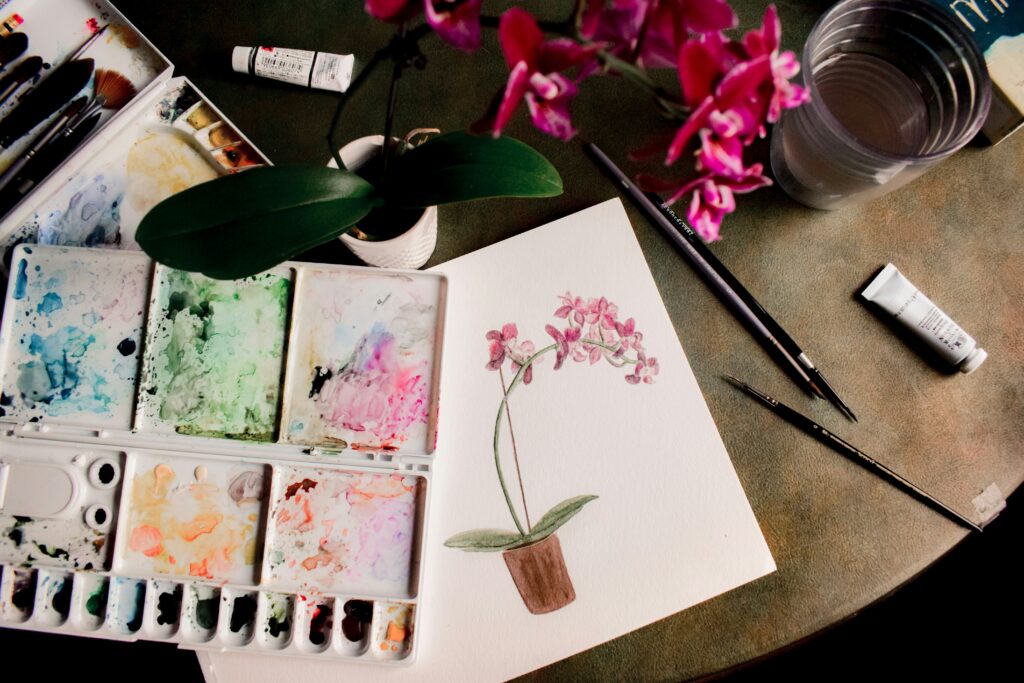
A few rounds of a puzzle. Some time with a craft you are working on. Music you love listened to properly rather than as background.
Whatever quiet activity genuinely gives you pleasure — not the guilty kind, not the productive kind, just the kind that feels good — deserves a place in your evening.
This step resists description because it is entirely personal. The instruction is just: do the thing you actually want to do, without it needing to serve any other purpose.
Step 11: Stretch in Bed
Spend a few minutes stretching before you settle in for sleep. Arms overhead, legs long, shoulders rolled slowly, neck tilted side to side.
Nothing demanding — just a deliberate release of whatever physical tension the day deposited in your body without you noticing.
I started doing this out of necessity after a period of waking up with a stiff neck every morning, and what I found is that the stretching itself is calming in a way that goes beyond the physical.
There is something about intentionally moving through and releasing each part of your body that functions almost like a physical version of letting the day go.
Step 12: Drift Off to Soothing Music
Put on something soft — instrumental music, ambient sound, rain, whatever your nervous system responds to — at low volume, and let it be the last thing you hear as you fall asleep.
I have a playlist I have been adding to for years that I play almost every night.
The familiarity of it is part of what makes it work — my brain now associates those particular sounds with sleep in a way that makes falling asleep easier.
You can build that association in a few weeks of consistent use. Start with whatever feels right and let it become a habit.
A night routine does not fix a hard day. It does not solve the things that are keeping you up.
What it does is give your nervous system a recognizable path from the noise of the day to the quiet of sleep — and over time, that path becomes easier to walk.
You do not need all twelve steps.
You need the ones that work for you, done with enough consistency that they start to feel like they belong to the end of your day. Start with three. Add from there.
The rest will follow.
You May Also Like:
• 20 Cozy Winter Self Care Ideas For Women
• How to build a Healthy Relationship with Yourself
• 35 Self Love Journal Prompts
• How to Become the Best Version of Myself
• 15 Powerful Ways to Invest in Yourself as a Woman
• 5 Healthy Lifestyle Habits To Transform Your Life
📌 Save This for Later