

I am not a naturally productive person.
I want to say that upfront because most advice on procrastination is written by people who frame themselves as reformed versions of their lazy selves, and honestly that framing always felt a little suspicious to me — like the recovered addict who is suspiciously articulate about the exact moment everything clicked.
The truth is messier. I still procrastinate. I procrastinated on writing this.
What has changed is that I now have enough systems in place that the procrastination does not eat entire days the way it used to.
At university I genuinely lost weeks to it. Full weeks of good intentions and zero output.
What follows is what I figured out, mostly by failing repeatedly until something worked.

1. Make the Morning Something You Actually Want to Get Up For
This sounds obvious but I spent years waking up and immediately reaching for my phone to see what had happened while I slept, which meant my first experience of every day was other people’s content, other people’s problems, other people’s energy.
By the time I was actually out of bed I was already reactive rather than intentional and the day never quite recovered.
What changed it: I started making the first thirty minutes genuinely mine. Music I actually like.
Matcha made slowly rather than grabbed on the way to something.
Sometimes I dance in my kitchen for no reason and it sounds ridiculous and it consistently sets a better tone than anything else I have tried.
My morning now has something in it I am looking forward to before the obligation part starts, and that difference — that small gravitational pull toward waking up rather than away from it — is not nothing.
I still miss mornings.
Some weeks I miss most of them. But the ones where I actually protect that first half hour produce demonstrably better days.
2. Move Your Body, but Drop the Punishing Framing
For a long time exercise was a thing I was either doing or failing at.
There was no middle. Either I was in a proper routine with real workouts and tracking and all of it, or I had fallen off and was in a period of feeling vaguely guilty about not exercising.
That framing made starting back up feel enormous every time. Which made me avoid starting.
What actually stuck was stopping calling it exercise and just… moving when it felt good. A forty-minute walk listening to something I was genuinely interested in.
Yoga on mornings when my body felt stiff and tight.
The occasional proper workout when I had the energy for it. Not a system. Just the question: do I feel like moving today, and if so, in what way?
The shift in how I work on the days I have moved versus the days I have not is real and consistent.
The energy is different. The focus is better.
I notice it enough now that the movement has become something I want rather than something I feel I should do, which is the only version that sustains itself.
3. Breakfast Makes a Bigger Difference Than You Think
I had a period — maybe two years, somewhere in my early twenties — where breakfast was whatever was fastest.
Usually something with sugar in it, usually eaten standing up.
By eleven every morning I was foggy and reaching for another coffee and wondering why I could not focus.
The answer was literally what I had eaten two hours earlier.
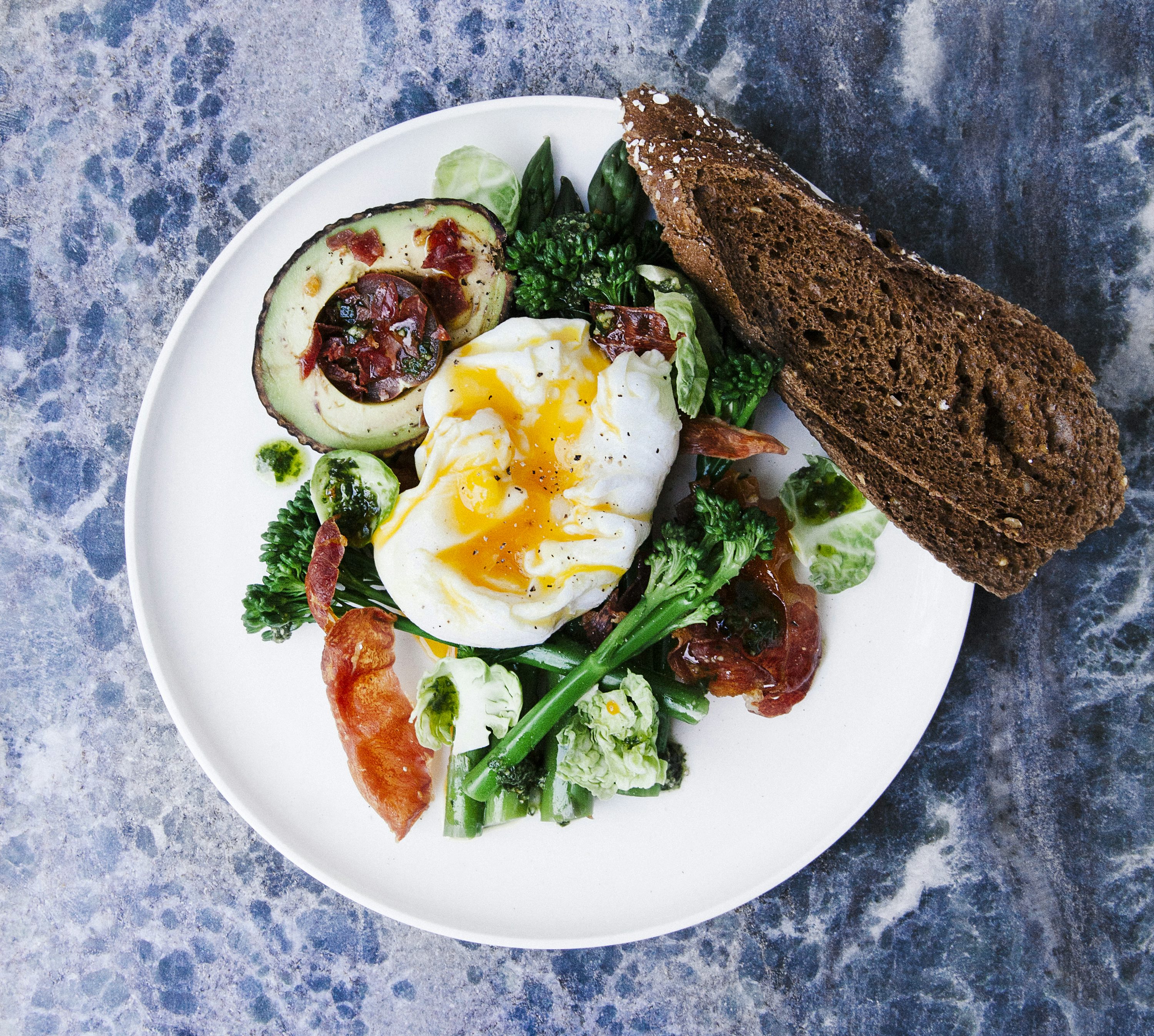
Greek yogurt with fruit and granola, eggs with avocado on toast, a protein smoothie — these are not dramatic changes but the difference in how the late morning feels is striking enough that I stopped skipping breakfast altogether, which is something I would not have predicted.
This is the least interesting tip on the list and probably the most impactful one in terms of daily output.
4. Get Dressed. Seriously, Just Get Dressed.
There was a winter during my freelance era where I worked from bed in pajamas for what I am fairly sure was most of January. I told myself it was cozy.
What it actually was, was a month where I consistently underperformed and felt vaguely bad about myself by three in the afternoon.
Your brain takes cues from your environment about what mode you are in. Pajamas are a sleep cue. Unchanged sheets at noon are a rest cue.
Getting dressed — not into anything impressive, just into real clothes that you chose for the day — sends a different signal. It is a transition.
It says something has changed, the day has started, this is the focus part.
I now get dressed before I open my laptop. Not always successfully. But when I do it, the quality of the morning is consistently better.
5. Time Blocking Is the Only Planning System That Has Ever Actually Worked for Me
I have tried everything. Lists, apps, bullet journals, the full GTD system, various combinations of the above.
What I have found is that if a task does not have a specific time assigned to it, it does not have a real claim on my day. It floats in the background accumulating guilt.
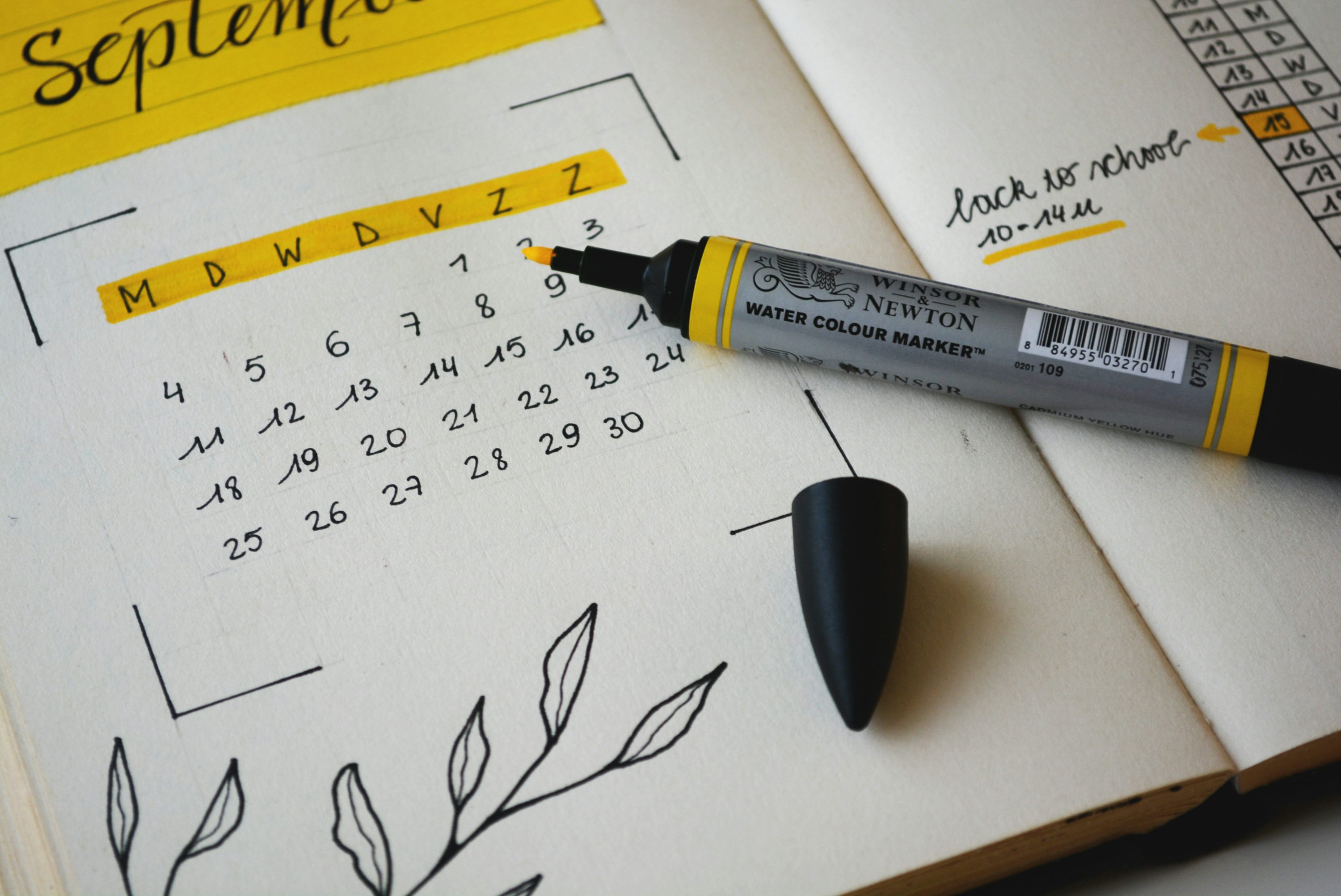
Time blocking is simple: you look at your tasks for the day and you assign each one to a specific window. Not “I will do this today” but “I will do this from nine to eleven.”
The block creates a container. The container creates urgency. Without it, you have all day, which means no urgency, which means nine PM arrives with most of it undone.
The part I did not expect when I started doing this: it also helps with the anxiety of a long task list.
When everything has a slot, everything has its moment.
You stop carrying the whole list in your head simultaneously and just focus on what is in the current block.
6. Stop Giving Yourself All Day to Do Things
The day I decided to limit my working hours was the day my actual output improved.
This is counterintuitive enough that I resisted it for a long time. More hours equals more done — that is just math.
Except it is not, because the brain does not work like a production line. An open-ended day without urgency produces procrastination.
A three-hour block with a clear end point produces focus.
I have genuinely done more in three clean hours than in nine hours of the sprawling, distracted, half-present version of work I used to do. The internet is still there.
The phone is still there. But something about the compressed window makes me less likely to fall into it because the cost of falling in is more visible.
I cap my deep work now. It feels wrong every time and produces better results every time.
7. Know When to Stop Forcing It
There are tasks that, on certain days, I will not do productively no matter how much pressure I apply. I can sit in front of them for three hours, generating guilt and no output, or I can ask what I can actually do well right now and do that instead.
This took me a long time to learn because it felt like giving myself permission to avoid things.
The distinction I eventually landed on: I am not skipping the task, I am rescheduling it to a window when it has a better chance of actually happening.
The task I am terrible at on Tuesday morning might be exactly right for Wednesday afternoon.
Forcing it Tuesday produces nothing and takes up the space where something useful could have happened.
The question I ask when I notice resistance: is this resistance because this is hard and I should push through, or is this resistance because my brain is genuinely not in the right state for this right now?
The answers are different and so are the responses.

8. Twenty-Five Minutes Is the Right Amount of Time
The Pomodoro technique is not original and I do not care. It works.
Set a timer for twenty-five minutes. Work on one thing for exactly that long. Take five minutes off. Repeat. After four rounds take a proper break.
What makes this effective for procrastination specifically is how it changes the starting calculation.
You are not committing to finishing the thing. You are committing to twenty-five minutes of attempting the thing.
That is a completely different prospect for a brain that is looking for reasons not to start.
I used this to get through the worst stretches of university — twelve-hour study days, dissertation crunch, the essay that was due in seventeen hours and not started.
I still use it now when I am working on something that is resisting me. It is not always comfortable but it is almost always effective.
9. Five Minutes. Just Five Minutes.
Simpler than Pomodoro and the one I reach for when I need to start something I have been avoiding for days.
You are not trying to do the thing. You are trying to do five minutes of the thing. That is it. After five minutes you are completely allowed to stop.
Almost every time I do this, I continue past five minutes.
Not because I tricked myself but because starting is genuinely the hardest part for most avoidance tasks, and once you are actually in it the resistance drops significantly.
The story you have been telling yourself about how awful the task is going to be is almost always worse than the experience of actually doing it.
I used this to start writing this article, for what it is worth.

10. Work in Different Places During Long Days
When I was at university I had to study for ten or twelve hours on certain days leading up to exams.
The only way I found to do this without losing my mind was to treat it as a relay rather than a marathon.
Morning session in my room. Lunch, then move to a coffee shop for the early afternoon.
Move to the library for the evening. Each move was a reset.
The new environment came with new energy and the knowledge that the previous environment was done — there was a natural stopping point built into the structure that made the next start feel fresh rather than continuous.
I still do this when I have heavy work days. Even moving from my desk to my kitchen table is sometimes enough.
The environment has associations and sometimes the associations are the problem.
11. Build Rest Into the Plan Before Your Body Forces You Into It
Burnout looks like laziness from the outside but it feels like a complete inability to generate any motivation or care about outcomes that you previously cared about.
I have experienced it twice and both times the recovery took longer than the period of overwork that caused it.
The pattern: I would skip rest to be more productive, hit a wall, spend several days unable to do much of anything, feel guilty about those days, push harder to make up for them, skip rest again. The cycle repeated.
What ended it was treating rest as non-negotiable rather than as whatever is left after the work is done.
A real lunch break, not eaten at my desk. A walk in the afternoon. An hour in the evening that is not working or consuming content related to work.
These feel small and they are structurally significant.
You will rest one way or another. The only question is whether you do it deliberately and feel restored, or involuntarily and feel guilty.
12. How You End the Day Determines How the Next One Starts
I used to end work days by just… stopping.
The laptop would close at some indeterminate point, usually when I was too tired to keep going, and I would carry the half-finished tasks and the things I had meant to get to into the evening in a way that made it impossible to actually switch off.
My night routine now is not elaborate. Herbal tea. Something on television that I am not watching for professional reasons.
Journaling sometimes — not deep processing, just a dump of what happened and what needs to happen tomorrow so it is on paper and not in my head keeping me up. The phone goes to another room by a certain hour.
The difference between this and the previous version is not that I do more.
It is that I actually rest, which means the next morning I start from somewhere closer to full rather than somewhere closer to empty.
And starting from closer to full makes everything else on this list more achievable.
Procrastination is mostly a signal that something in the system is not working. It is very rarely about laziness or character or how much you want the thing you are procrastinating on.
Figure out which part of your system is broken and fix that. The output follows.


