

The first time I sat across from a woman who had built something genuinely significant — her own company, real money, a life that looked like the one I had been sketching in journals since I was nineteen — I spent the whole dinner studying her in a way that was probably rude.
Not what she was saying. How she moved through the meal. What she ordered.
When she checked her phone (rarely) and when she did not (almost never).
The way she listened, which was different from how most people listen.
I was looking for the thing. The specific thing that separated her daily existence from mine.
What I found, over years of being around women like her and eventually becoming more like them than unlike them, is that there is no one thing.
There are habits. Small, consistent, unglamorous habits that individually mean almost nothing and collectively mean everything.
These nine are the ones I kept coming back to.
1. They Treat Time Like It Is Actually Non-Renewable
I was perpetually behind for most of my mid-twenties. Not lazily behind — genuinely behind, working long days and still not making progress on anything that mattered.
The problem was not effort. It was that I had built no architecture around my time, so it went wherever it was pulled.
The shift came when I was forced into it.
Early 2020, a rented flat in a city I had moved to six months earlier, no commute to fill my days with structure, no external obligations to organize around.
I expected more freedom to feel like liberation. It felt like falling. Without something to push against, I had nothing.
I built five things I stopped negotiating: wake before six, in bed by ten, one thing daily that was about my own growth rather than anyone else’s deliverables, movement of some kind, food that actually supported how I wanted to function.
Nothing original. The consistency was the only interesting part.
Three months in I noticed I was less behind.
Not because more hours had appeared but because the ones I had were going somewhere I had decided rather than somewhere they had drifted.
2. They Plan Every Week, Not Just Every New Year
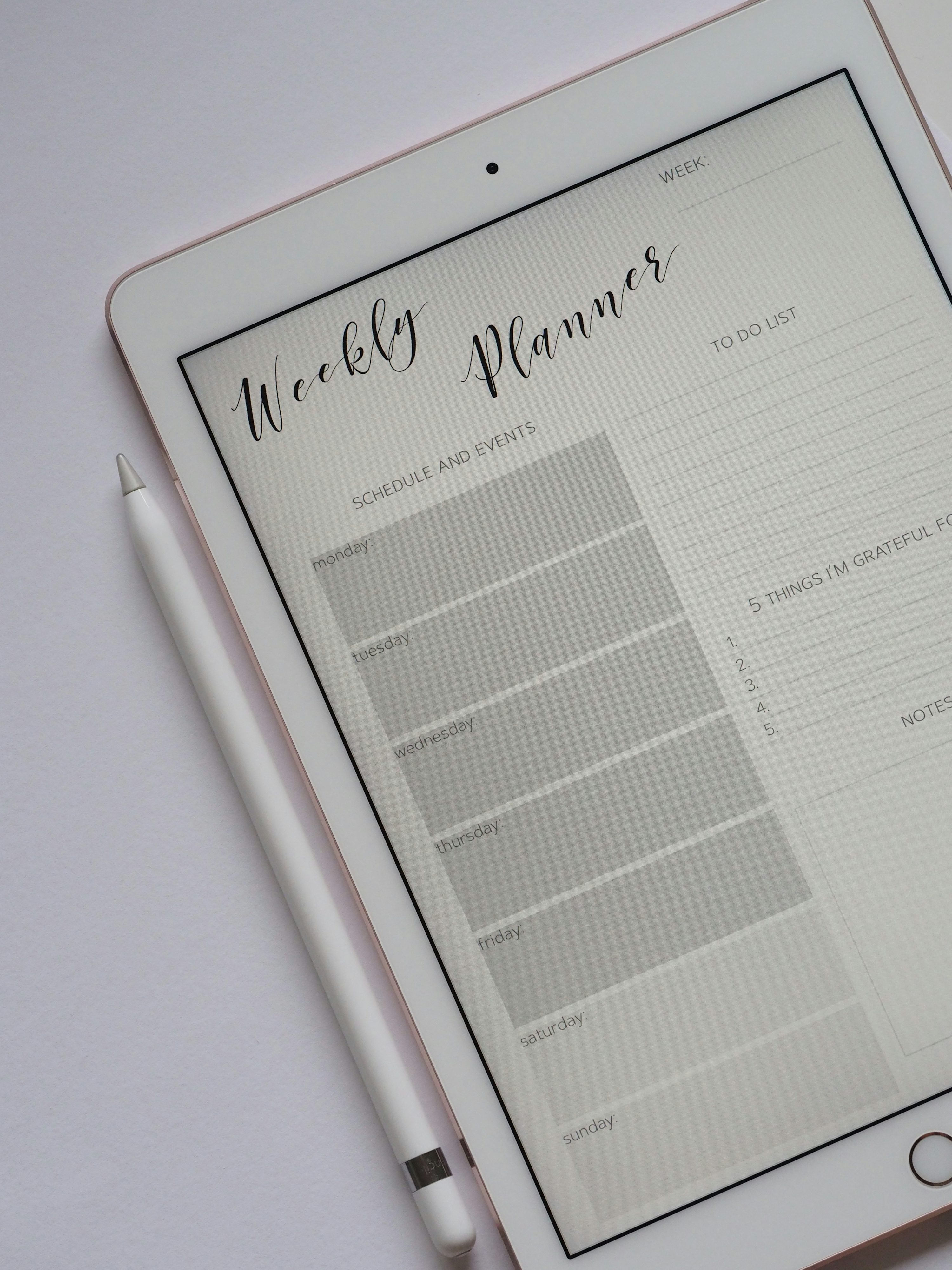
Every Sunday evening I spend about an hour with myself. No phone. No multitasking.
I look honestly at what I said mattered last week versus where my time actually went, decide what the real priorities are for the coming week, and put them into specific calendar blocks rather than a list.
I resisted this for years because it sounded like advice from a podcast rather than something a real person actually did.
Then I started doing it out of desperation during a period when I was dropping things constantly and could not figure out why.
What surprised me was not that it made me more productive. It was what it revealed.
I had been telling myself a story about my priorities that did not match where my hours went when I actually looked. The Sunday review fixed that.
Not by adding discipline — by making the gap between intention and reality visible enough that I could not ignore it.
Also Read: 5 Non-Negotiable Days a Woman Should Have Each Week
3. They Decide the Night Before, Not the Morning Of
My mornings were bad for years. Not because I lacked motivation.
Because the first thing I was doing was trying to figure out what to do, at the worst possible moment — undercaffeinated, with the day already making demands.
I started writing three things on a Post-it before bed. Not a full schedule. Three things. If those happened, the day was a success.
The morning became execution instead of decision. I did not have to argue with myself. I just followed what I had already decided.
It took about three weeks to feel automatic. It is now the habit I protect most.
Also Read: How to Create a Healthy Morning Routine That Works for You
4. They Handle Difficulties Quietly
There was a day — a specific Tuesday that I still remember clearly — when one of my team members told me she had never known when I was having a bad day.
She meant it as a compliment.
On that particular day we had a legal situation being managed, two people had resigned that morning, and there were several other things I no longer remember the details of.
I was stressed. I was sweating slightly through my blouse, which nobody knew about. Nobody knew about any of it.
What I had learned by that point was that narrating difficulties to people who cannot help solve them makes things worse, not better.
You live the problem again in the telling. The people you tell absorb the stress and then you have to manage their reactions alongside your own.
The problem is still there. Now there is more noise around it.
I process hard things — genuinely, properly — in my journal and with my partner.
In professional contexts I arrive looking like someone who has it handled, even when I am figuring it out as I go. The problem still gets solved.
Everyone is calmer while it happens.

5. They Protect Their Relationship With the Same Energy as Their Work
I learned this the expensive way during a period when I was building hard and my relationship was surviving rather than being genuinely good.
I kept telling myself it would balance out when things settled.
Things do not settle. You have to choose to invest in the relationship before the conditions feel right for it, because the right conditions tend not to arrive on their own.
My partner and I have two non-negotiables. A real hug every morning before anything else starts.
And nothing unresolved overnight — not fully resolved necessarily, but not left to harden either.
These feel like small things. They are not small things.
The days that start with actual presence with the person I love most produce a different quality from the days that do not. I would not have built what I have without him. That is not sentiment. It is accurate.
Also Read: 10 Habits That Will Quietly Make Your Relationship Stronger
6. They Stack Habits During Dead Time
Most people have two or three hours a day in the non-negotiable zones — getting ready, commuting, cooking, cleaning.
These hours tend to go to music or scrolling or background television.
I use them for learning. Podcasts while getting ready. MasterClass videos during makeup. Educational content during the commute.
I started doing Instagram Lives while getting ready in the early days of building my audience, which was efficient in a way I had not anticipated — preparation and content creation simultaneously.
The question worth asking about any regularly scheduled task: what could be happening during this time that would make it worth more than it currently is?
The answer is usually something simple.
7. They Treat Food as Fuel, Not Afterthought
I had a period in my late twenties when I was foggy and slow most afternoons and I blamed it on workload and poor sleep.
It was what I was eating. Specifically: too little protein in the morning, too much caffeine, a lunch that sent my blood sugar off a cliff by three PM.
When I fixed the food the afternoon crash mostly disappeared.
This was more embarrassing than illuminating — I had been applying psychological solutions to a physiological problem for months.
I am not going to tell you what to eat. I am not a nutritionist.
The principle is the same regardless of the specifics: if your energy is inconsistent and your focus unreliable, look at what you are eating before you look anywhere else. It is usually the most fixable variable.
Also Read: 15 Realistic Healthy Eating Tips
8. They Are Deliberate About Who They Spend Time With
I was skeptical of this idea for a long time because it sounded like a motivational poster.
Then I looked back at different periods of my life and noticed that my ambition had tracked almost perfectly with the ambition of the people around me at the time.
Not because I was consciously matching them. Because that is what proximity does without your permission.
When I started spending time with women who were building things that seemed genuinely significant — at events I had to push myself to attend, in groups where I initially felt out of my depth — my sense of what was realistic shifted in a way I did not produce by trying to change my mindset.
The environment did it.
If your access to those people is limited right now, the online version is real.
The podcasts you listen to, the accounts you follow, the books you read — these shape what feels normal and possible just as surely as physical company does.

9. They Dress for Who They Are Becoming, Not Who They Were
This was the habit I expected to find least defensible and the one I have had the hardest time arguing against after actually trying it.
How you dress affects how you carry yourself. How you carry yourself affects how other people respond to you and what you feel capable of attempting.
These are not small effects. I have the same version of this conversation with myself every few years when I notice my wardrobe has drifted back toward defaults and my daily confidence has drifted with it.
I cleared out clothes that belonged to a version of me I was not trying to go back to. Not because they were bad clothes.
Because wearing them was keeping me visually anchored in a self-concept I had moved past.
I have a Pinterest board — years old, still used — with images of women whose presence and aesthetic I find aspirational. Not to copy.
As a reference point for what it looks like when someone dresses with intention and for themselves.
It sounds shallow. It affects things that are not shallow. Try it before you dismiss it.
None of these habits appeared in my life cleanly or all at once.
Several I tried, dropped, and tried again before they stuck.
The ones that stuck did so because the evidence that they were working became impossible to attribute to anything else.
That is the only test that matters: does this actually change something in your specific life?
Start with whichever one seems most obviously missing and find out.


