Congratulations!
You clicked on this post which means you’ve officially taken the first step toward getting your life together, being more productive, and finally just getting the work done and achieving your dreams.
Because let’s be real: procrastination is the cost of the life you could have lived.
But don’t worry—I’ve got all the tips and tricks to help you stop procrastinating and start thriving.
Let’s dive into the formula that changed my life.
1. Wake Up Early (But Make It Enjoyable)
The first game-changing habit to beat procrastination is waking up early—but here’s the twist: don’t wake up early just to rush into work.
Wake up for yourself.
Most people hate early mornings because the first thing they associate it with is stress—work emails, deadlines, school, or long to-do lists.
That’s a dreadful way to start the day and a guaranteed way to keep procrastinating.
I created a slow morning routine where I romanticize life: I play music, I dance, I drink my matcha, and I give myself something to look forward to.
Starting your day with something that brings you joy gives you a reason to want to get out of bed.
Make mornings magical.
When you wake up with excitement rather than obligation, you start your day from a place of happiness—and that energy boosts motivation and reduces the urge to delay tasks.
2. Move your body — but do it for joy, not pressure
The gym used to feel like a chore… until I changed my why.
I don’t go to burn calories or force a “better” body.
I go because it’s therapy for my mind.
It helps me feel strong, energized, and proud.
That energy carries over into everything else I do.
You don’t have to do hardcore workouts.
Go for a walk, stretch, do some yoga, or dance in your room.
Movement creates momentum — both physically and mentally.
And bonus: it literally boosts your productivity by creating more energy at the cellular level.
3. Eat Breakfast That Fuels You, Not Slows You Down
So many people feel tired all day and don’t realize it’s because their breakfast is secretly sabotaging them.
High-sugar, low-nutrient foods (like cereal or pastries) cause a blood sugar crash later — which leads to fatigue and yes, procrastination.
Instead, go for high-fiber, high-protein meals in the morning.
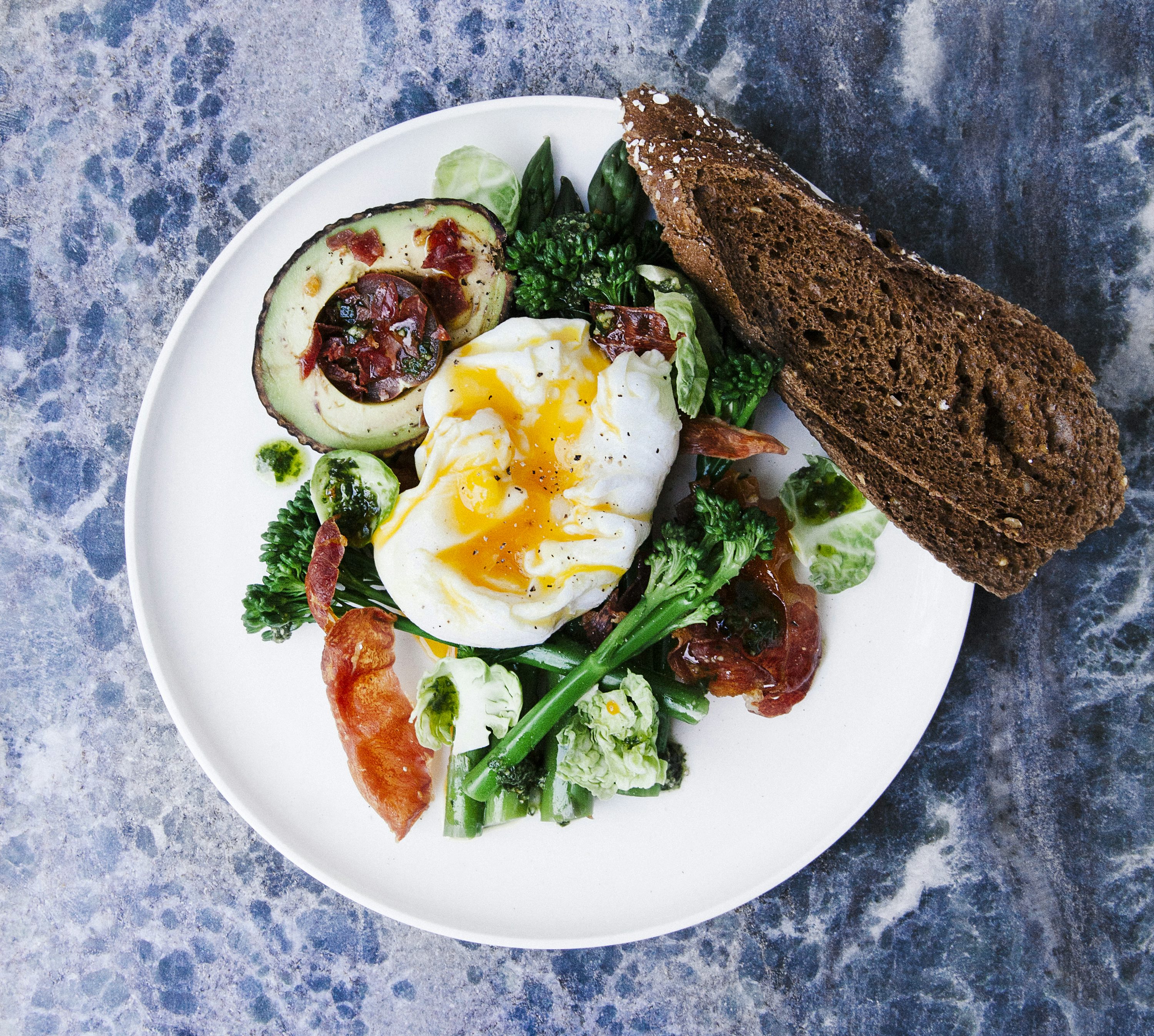
I love Greek yogurt bowls with granola and fruit, smoothies with protein powder, or eggs on toast with avocado.
What you eat affects your focus, mood, and energy — so don’t sleep on this habit.
4. Get Ready—Even if You’re Not Going Anywhere
You know those “work from bed in pajamas” days?
They sound cozy in theory, but they actually confuse your brain.
If you’re lounging in sweats with your hair unbrushed, your mind stays in “relax” mode—which makes it way harder to switch into focus and productivity.
What you wear affects how you feel.
When you take a few minutes to get ready—do your hair, apply a little makeup, put on an outfit that makes you feel confident—you’re signaling to your brain: it’s time to shift gears.
And no, this doesn’t mean you need a full glam look every day.
It can be as simple as changing out of your pajamas, putting on a clean outfit, and brushing your hair.
These small changes can have a huge impact on your mood, confidence, and productivity.
5. Use Time Blocking to Structure Your Day
If your only plan for the day is “I’ll work when I can,” you’re setting yourself up to fail.
Why?
Because when time feels unlimited, you naturally procrastinate.
Your brain thinks, Oh I have all day to do this, and suddenly… it’s 9PM and nothing’s done.
The fix?
Time blocking.
This technique is a total game-changer.
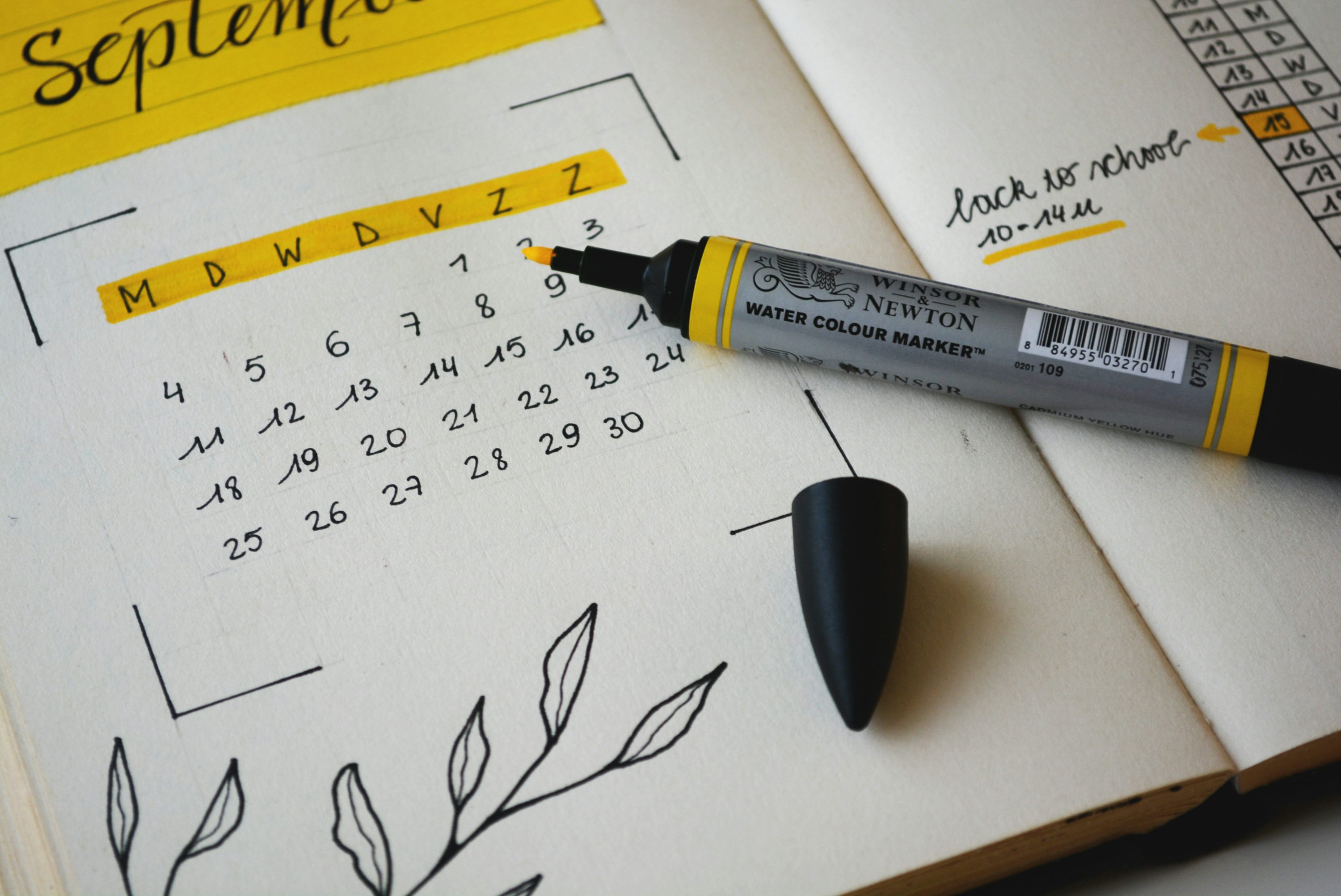
Instead of listing out your tasks with no structure, you assign specific blocks of time to each task. For example:
- 9–11am: Work on assignment
- 11–12pm: Admin tasks
- 1–2pm: Workout
- 2–4pm: Creative work
Now you’ve got boundaries, urgency, and structure.
You stop multitasking, stop scrolling, and start working with intention.
It’s also so satisfying to see your day mapped out and know exactly when and where your energy is going.
6. Stop Telling Yourself You’ll “Work All Day”
Working for 12 hours straight sounds productive but it’s a trap.
I’ve done more in three focused, distraction-free hours than I ever did in a chaotic 9–9.
Saying “I’ll work all day” sounds productive, but it’s actually the fastest route to burnout and distraction.
Because when you have 12 open hours, your brain doesn’t prioritize.
Instead, give yourself short windows of focused work.
I’d rather work 3 hours with no distractions than 9 hours where I’m half-scrolling, half-working.
Focus on quality, not quantity. Less time, more intention.
7. Allow Flexibility & Feminine Flow in Your Schedule
Structure is powerful — but so is intuition.
If I force myself to do a task I have zero mental energy for, I procrastinate it all day.
Here’s where people get stuck—they think productivity has to be rigid, strict, and hyper-disciplined.
But if you’re someone who thrives in feminine energy, or you’re more intuitive than logical, that masculine “grind mode” will actually push you into procrastination faster.
So yes, you need structure. But you also need flexibility.
I always allow room in my daily routine to ask myself:
- “What do I feel like doing today?”
- “Which task would come easiest right now?”
- “Do I need a reset before I dive into this?”
Following your energy and working with your mood allows you to be productive without resistance.
It prevents the frustration of forcing yourself to do a task you’re not mentally ready for—and instead, helps you work with flow, not against it.
8. Use the Pomodoro Technique
When you feel overwhelmed by the idea of hours of work ahead, your brain shuts down.
That’s where procrastination creeps in.
One of my favorite hacks for this is the Pomodoro Technique.
Here’s how it works:
- Set a timer for 25 minutes
- Focus on just one task during that time
- When the timer ends, take a 5-minute break
- Repeat the cycle 3–4 times, then take a longer break
It’s simple, free (just Google “Pomodoro Timer”), and ridiculously effective.
Knowing you only have to work for 25 minutes makes starting feel manageable.
And more often than not? Once you start, you keep going.
This hack got me through university, tight deadlines, and busy content creation days.
9. Do Just 5 Minutes of the Thing You’re Avoiding
This is my holy grail for getting started — especially on tasks I dread.
The rule is simple: Commit to just five minutes.That’s it.
Tell yourself, “I’m just going to do this for 5 minutes and then I can stop.”
Nine times out of ten, once you start, the resistance melts.
You’ll naturally want to continue.
It removes the mental pressure of thinking you have to finish everything in one go.
Starting is often the hardest part — this rule makes it manageable.
Momentum creates motivation, not the other way around.
10. Switch Locations for Long Work Days
If you’re working long hours, sitting at the same desk all day is going to kill your energy.
When I had to study 10–12 hours a day for university, I’d change locations every few hours.
I broke them up:
- 9am–12pm in my bedroom
- 1pm–4pm at a cafe
- 6pm–9pm in the library
Changing environments resets your brain and avoids the dreaded “infinite workday” mindset.
Each location becomes a fresh start, and productivity feels more manageable.
11. Schedule Rest and Little Joys Daily
Burnout is just procrastination in disguise.
If you don’t rest, your body and brain will force you to rest by making you zone out, scroll for hours, or take unplanned naps.
And then you feel guilty for wasting time—which starts the procrastination cycle all over again.
That’s why rest needs to be built into your routine.
Whether it’s a solo date to Starbucks, a 30-minute nap, a sunset drive, or just watching a Netflix episode in peace—make time for joy.
These small comforts become the rewards that keep you motivated.
You’ll stop procrastinating if you know there’s something you want to experience after the work is done.
12. Build a Night Routine That Winds You Down
How you end your day matters just as much as how you start it.
If your day ends with anxiety, overstimulation, or mental burnout, you won’t want to repeat it tomorrow.
That’s why my night routine is all about soft, gentle self-care.
I put on my favorite cozy pajamas, make a cup of herbal tea, light a candle, and wind down with something that brings me comfort—a book, a feel-good show, or some journaling.
I don’t force productivity at night.
I focus on relaxation so I can wake up with energy, not exhaustion.
A proper night routine is your insurance policy against burnout.
It signals to your body and brain that it’s safe to relax, reset, and rest—so you don’t carry stress into the next day.
And guess what?
When you feel rested and recharged, procrastination naturally fades away.
Final Thought
Procrastination doesn’t mean you’re lazy.
It usually means your systems, habits, and mindset need a reset.
These 13 changes helped me stop sabotaging my potential—and they can do the same for you.
So… are you ready to stop procrastinating and start showing up for the life you deserve?